The domestic market for traditional vegetable oils has experienced a notable expansion since 2020, driven by the increased prevalence of home-cooked meals due to the impact of the COVID-19 pandemic. Furthermore, an increasing number of consumers are considering not only the taste of food but also its health benefits, which has contributed to this market growth. As of 2021, domestic sesame oil production reached 31,094 tons, an increase of 26.9% compared to 24,495 tons in 2017. Recently, companies specializing in traditional oils, such as sesame and perilla, have emerged. The increased interest and sales of these oils, which are used widely in Korean dishes as seasonings and dressings, have also seen a rise in sales and interest due to the increase in home cooking and the opening of specialized restaurants. As of the first half of 2022, Ottogi held the leading position in the traditional Korean vegetable oil market with a 45.4% market share, followed by CJ CheilJedang with 31.5%, Sajo Haepyo with 5.9%, and Daesang with 2.3%.
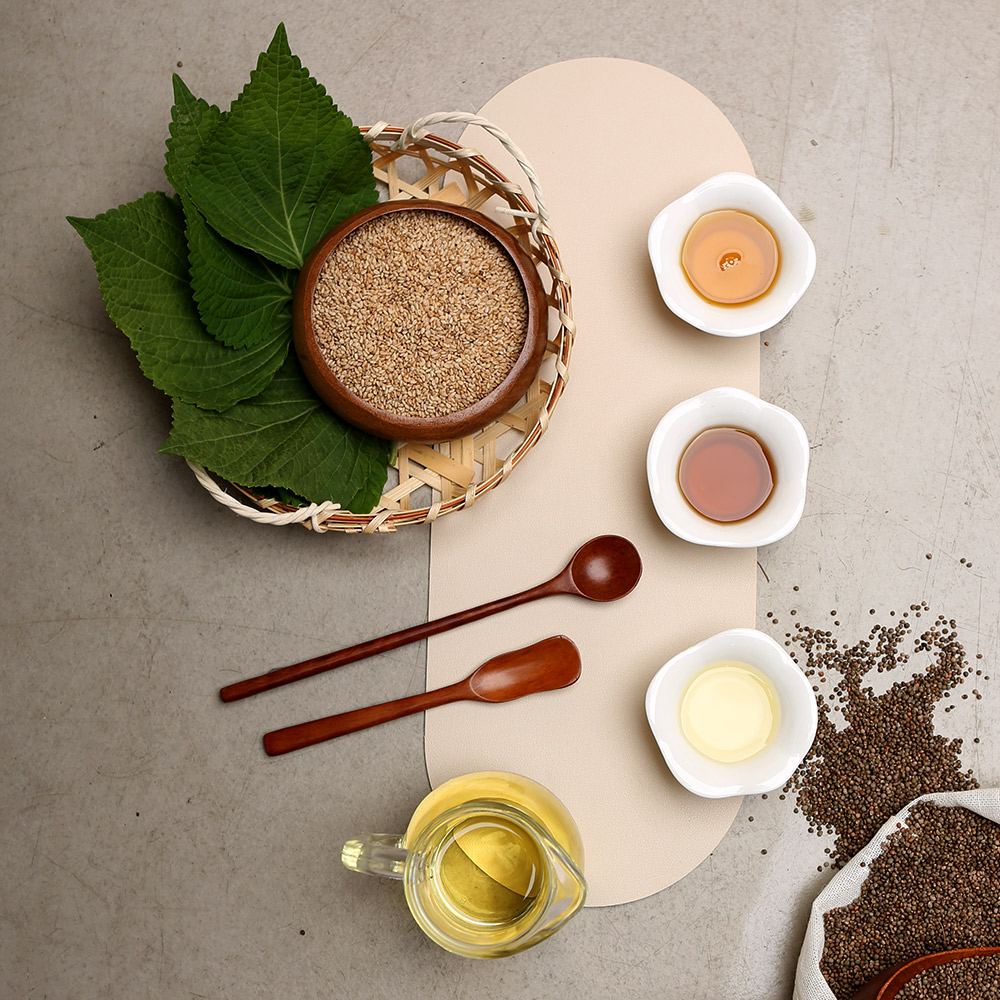
In 2021, the estimated market size for sesame oil was KRW 400 billion. The majority of consumers (59.5%) purchase sesame oil manufactured by large food companies, with products from markets and mills representing the next most popular choice. Approximately 30% of sales are made through distribution channels such as supermarkets, convenience stores, and online platforms, while stores that manufacture and sell their products account for 20%. Traditional sesame oil is primarily produced and distributed through channels such as oil houses and mills. When purchasing sesame oil, 20% of consumers consider whether the product is domestically produced, 11.9% look for reliability, and 9.7% prefer handmade products.
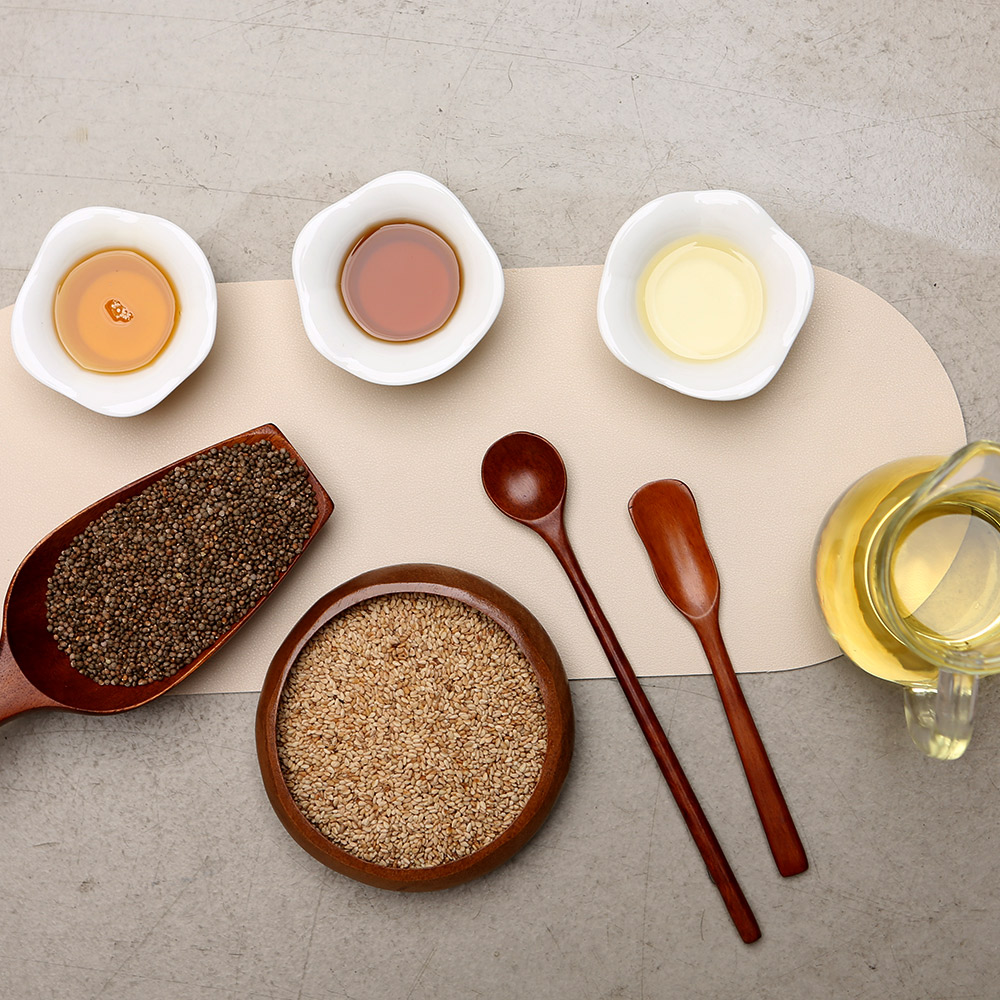
In 2021, the estimated market size for perilla oil was approximately KRW 100 billion, with major players including Ottogi, CJ, and Sajo. In contrast to sesame oil, 19.9% of consumers purchased perilla oil from supermarkets, while a higher percentage (48.8%) bought it from local markets and mills. The country of origin is the most important factor for 21.3% of consumers when purchasing perilla oil, followed by homemade products (13.7%) and trustworthy products (12.4%). Consumer trends indicate that 41.2% of perilla oil products are sourced from family members and relatives, while 34.8% are produced by large food manufacturers. In 2022, consumers placed a high value on health benefits, such as the omega-3 content, in addition to enhancing the taste and enjoyment of cooking.
In 2018, the production of sesame oil reached 26,312 tons, with a total value of KRW 191.155 billion. This figure increased to 28,138 tons valued at KRW 202.796 billion in 2019 and 27,888 tons valued at KRW 239.039 billion in 2020. By 2021, production had reached 31,094 tons with a value of KRW 239.2 billion. In 2018, perilla oil production reached 5,421 tons, with a total value of KRW 38.87 billion. In 2019, production reached 4,395 tons with a value of KRW 41.196 billion, 4,187 tons valued at KRW 60.566 billion in 2020, and 4,661 tons valued at KRW 61.356 billion in 2021.
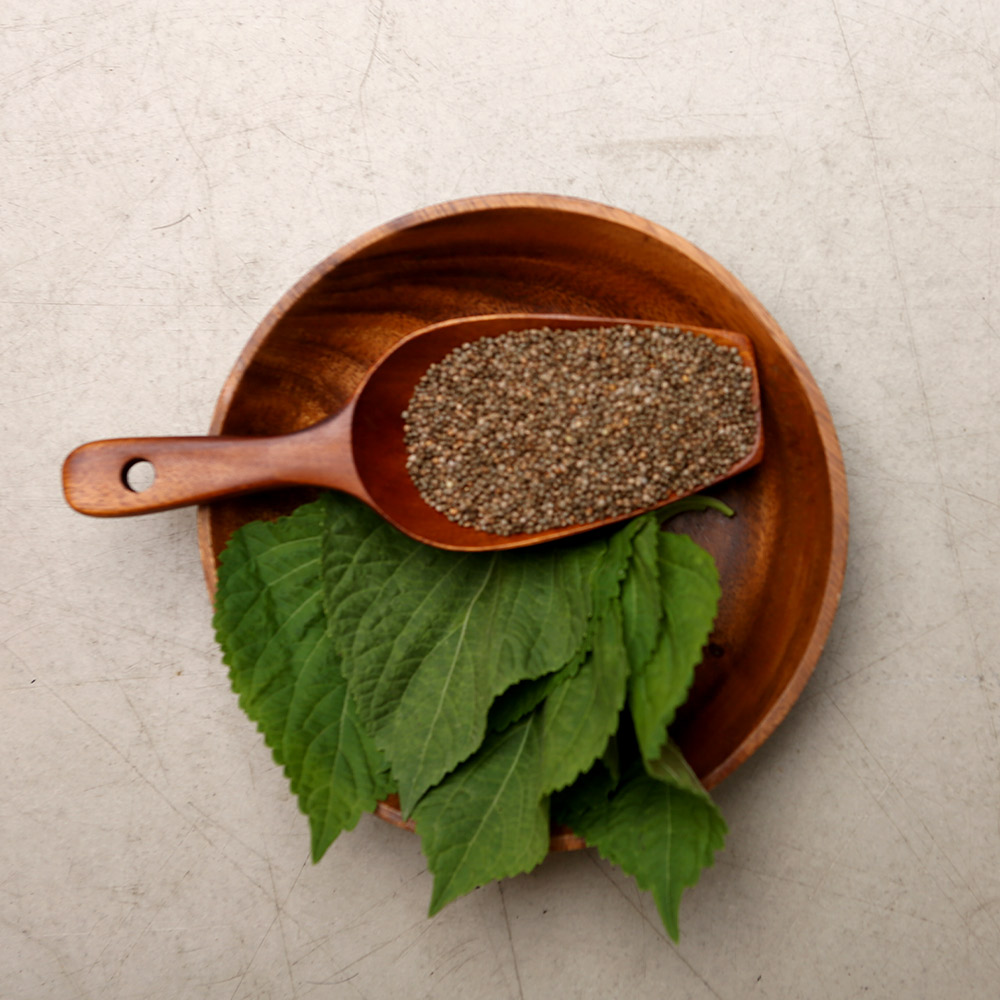
The cultivation area for sesame seeds for sesame oil-making saw a significant increase of 14.7% in 2022, reaching 22,039 hectares compared to 19,218 hectares in 2021. Sesame production increased by 15.7% to 11,697 tons in 2022 from 10,090 tons the previous year. In 2018, the sesame production was 12,727 tons, cultivated on 24,760 hectares. In 2019, production reached 12,986 tons on 25,159 hectares, followed by 6,795 tons on 22,930 hectares in 2020 and 10,090 tons on 19,218 hectares in 2021. In 2021, the perilla cultivation area reached 37,406 hectares, representing a 3.6% increase from the previous year. In 2018, perilla production reached 40,344 tons, representing a 20.5% decline from the previous year. In 2018, 40,344 tons were produced from 34,863 hectares. This increased to 42,341 tons from 37,377 hectares in 2019, 38,784 tons from 36,111 hectares in 2020, and 42,493 tons from 37,406 hectares in 2021.